



The Role of Community Engagement in Golf Course Operations
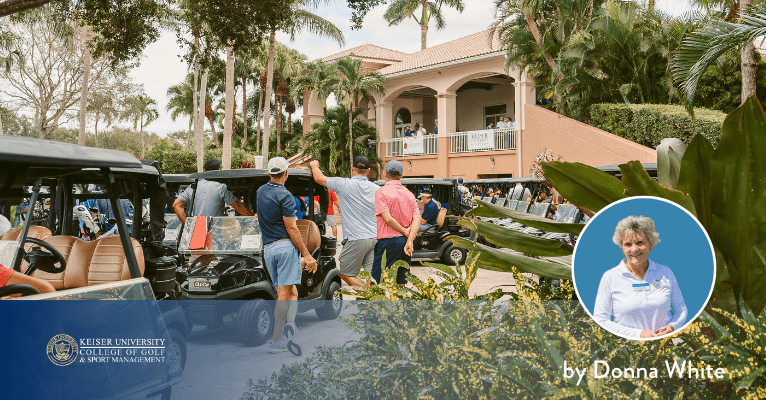
By Donna White – Keiser University College of Golf Professor, PGA and LPGA Member, and Winner of Three LPGA Tour Events
Community engagement serves as a strategic foundation for long-term growth and relevance, transforming golf courses into vital community centers. Historically, golf courses have been havens for community, sport, and recreation, and today, they continue to evolve through active community engagement. In a rapidly evolving industry, community engagement transforms a golf course into a vital community center, driving economic vitality, inclusivity, and sustainability while building a positive brand image and reputation.
Beyond Fairways: Golf Courses as Community Contributors
Golf courses can become valuable assets, contributing to the overall well-being and vibrancy of the local community. Deliberate outreach by public and private golf course operators to residents, businesses, chambers of commerce, tourists, sports groups, and other institutions strengthens community connections, boosts local economic growth, and positions the course as a collaborative hub for recreation, regional engagement, and education.
Community engagement efforts may include organizing and supporting both golf and non-golf local events, such as charity fundraisers and school partnerships. As highlighted by Golf Skor, facilities that prioritize community engagement enjoy stronger membership retention, participation, higher revenue, and wider brand recognition.
Belonging and Social Capital
Historically perceived as exclusive, golf is becoming more inclusive through intentional community outreach. In 2024, the National Golf Foundation reports that over 73% of the facilities in the U.S. are now public. Golf operators who position and brand themselves positively create an inviting recreation and leisure option. Being visible as a community partner strengthens social ties.
An example of successful community engagement is provided by Kathy Harbin, a PGA/LPGA member and owner of a public golf course in Texas, who emphasizes the importance of community involvement. Harbin believes community outreach is critical to the overall success of the golf operation, stating, “We are an extension of the community and do a lot of things that are very centered around community involvement”. Many of those things are away from the golf course, giving back with free lessons at the local Boys and Girls Club or raising money for specific charities with the intent to be a “strong community pillar”.
Many private clubs have established charitable foundations, extending financial support and social responsibilities beyond their course and gated communities. BallenIsles Country Club in Palm Beach County exemplifies this trend through the BallenIsles Charities Foundation. The foundation’s mission is to “foster member awareness of community service needs, create opportunities for members to participate, and encourage a spirit of volunteerism within BallenIsles for the greater good of our neighbors in Palm Beach County.” In 2025, the foundation’s grant program surpassed $1.4 million in donations, supporting a wide range of local initiatives—from junior golf programs to local food banks.
These connections broaden participation and redefine golf as a community-driven pursuit. Growing interest translates into increased participation and rounds, boosting revenue across golf and cart fees, instruction, leagues, tournaments, merchandise, memberships, and food and beverage.
Local Economic Ripples
The National Golf Foundation reports that golf contributes more than $102 billion annually to the U.S. economy. Beyond memberships and greens fees, economic ripple effects are felt across hospitality, retail, and event services.
In 2024, Miami Living Magazine found that community-centered golf operations impact these economic returns:
- Local Employment: Creating stable work opportunities for staff throughout the entire golf operation, from retail, food and beverage, instruction, fitness, etc.
- Tourism and Events: Attracting visitors through charity tournaments, school outings, and public gatherings.
- Real Estate Development: Stimulating residential growth through scenic, community-connected properties.
In short, an engaged golf course becomes an economic catalyst, not just a recreation venue, benefiting entire neighborhoods and towns.
Sustainability Through Collaboration
Golf courses occupy extensive landscapes and play a critical role in environmental stewardship. By working with local organizations, courses can protect ecosystems and promote education through:
- Partnerships with conservation groups.
- Workshops on sustainable turf management.
- Student projects like tree planting or pollinator gardens.
Participating in industry initiatives to protect the environment, golf courses can foster public trust and attract environmentally conscious golfers. The Audubon Cooperative Sanctuary Program certification and GEO Foundation Certification are two environmentally friendly golf course certifications. Green and clean energy maintenance practices and water conservation efforts enhance a club’s reputation.
Educating and Empowering the Next Generation
Golf courses have unique opportunities to inspire youth. Programs such as junior golf clinics, mentorship networks, and school partnerships introduce young players to both the sport and values like teamwork and leadership. According to Golf Skor, inclusive youth programs help emotional connections and turn casual golfers into committed participants. Supporting long-term education and social growth in the community aligns a golf course with the community’s broader goal, investing in youth.
Digital Engagement
In the digital era, platforms like Facebook, Instagram, TikTok, and LinkedIn give golf facilities the ability to tell authentic stories, celebrate local achievements, and gather feedback. Golf Skor emphasizes that active online engagement enhances transparency and builds brand trust, fueling word-of-mouth growth. A digital presence helps expand community reach and the golf courses’ reputation with online reviews, referrals, and engaging content.
Conclusion: Strategic Driver
Community engagement is a business strategy as much as a moral one. Facilities that cultivate strong local ties experience:
- Greater stability and loyalty during economic slowdowns.
- Enhanced brand equity as a more inclusive facility.
- Stronger relationships with policymakers and regional leaders relating to favorable zoning, funding, or capital approval from local governments.
Aligning community engagement and goodwill with business goals helps courses position themselves for sustainable success. Becoming a risk management strategy to leverage during challenging times. Community connection as a strategic core rather than an afterthought ensures continued relevance and resilience, spurring economic growth, environmental responsibility, and social inclusion. Facilities that embrace this model will thrive, not only as places to play golf but also as places where people feel welcome and belong.